On the lower slope of Trebević above the city, south of the Miljacka, a short drive from Vijećnica
Best time
Late afternoon for warm light on stone and a calm city view; mornings are cool and quiet
Entry fee
Small fee or donation if a caretaker is present; otherwise access is by an open gate during daylight hours
Time needed
Allow 45 to 75 minutes for a slow loop, quiet reading, and a city look back
Getting there without a car
From the old town, taxis take 10 to 15 minutes. The walk up from Vijećnica is steep and not signed; use a taxi or join a tour. Pairing with the cable car or the bobsleigh track is simple from here.
Summary
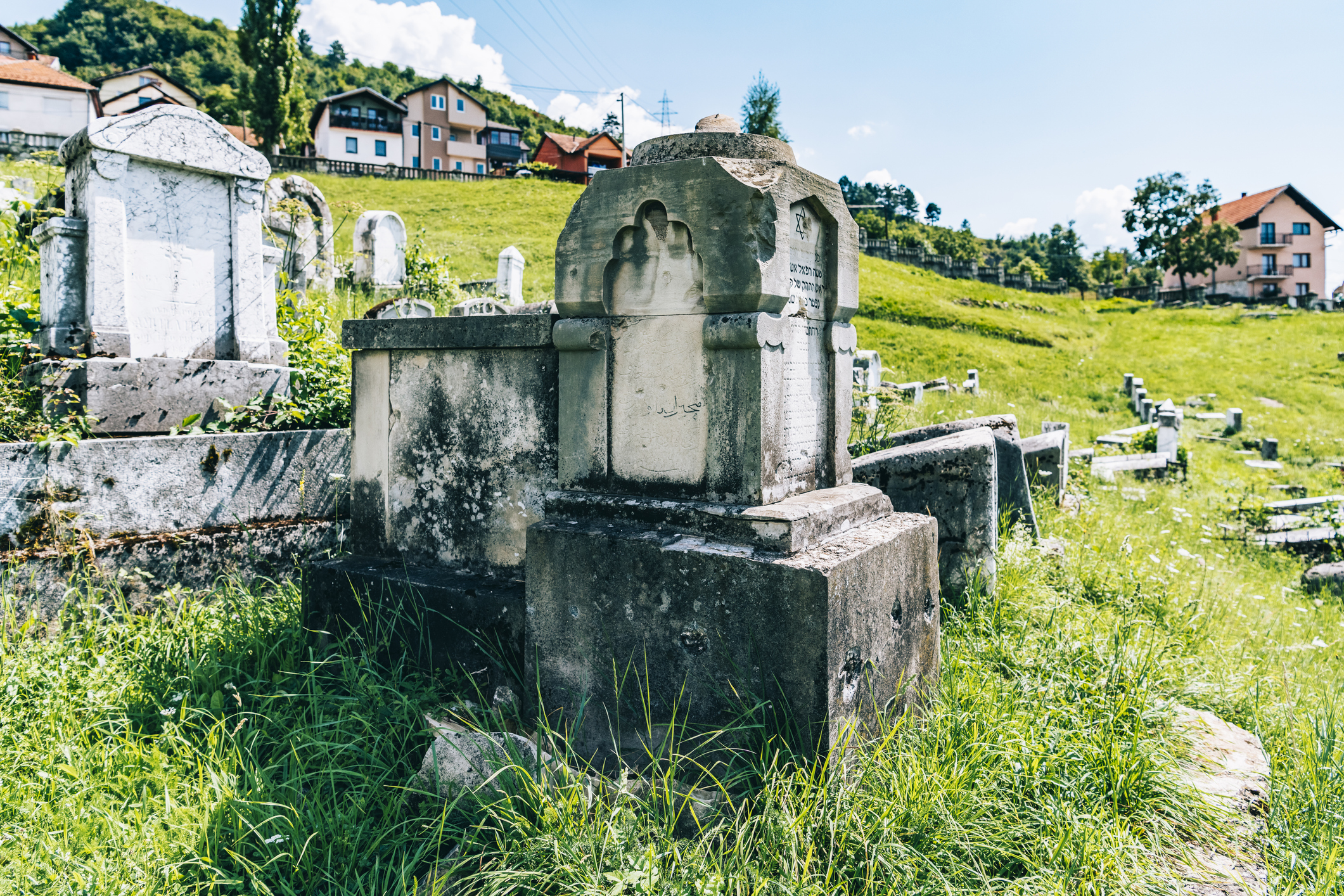
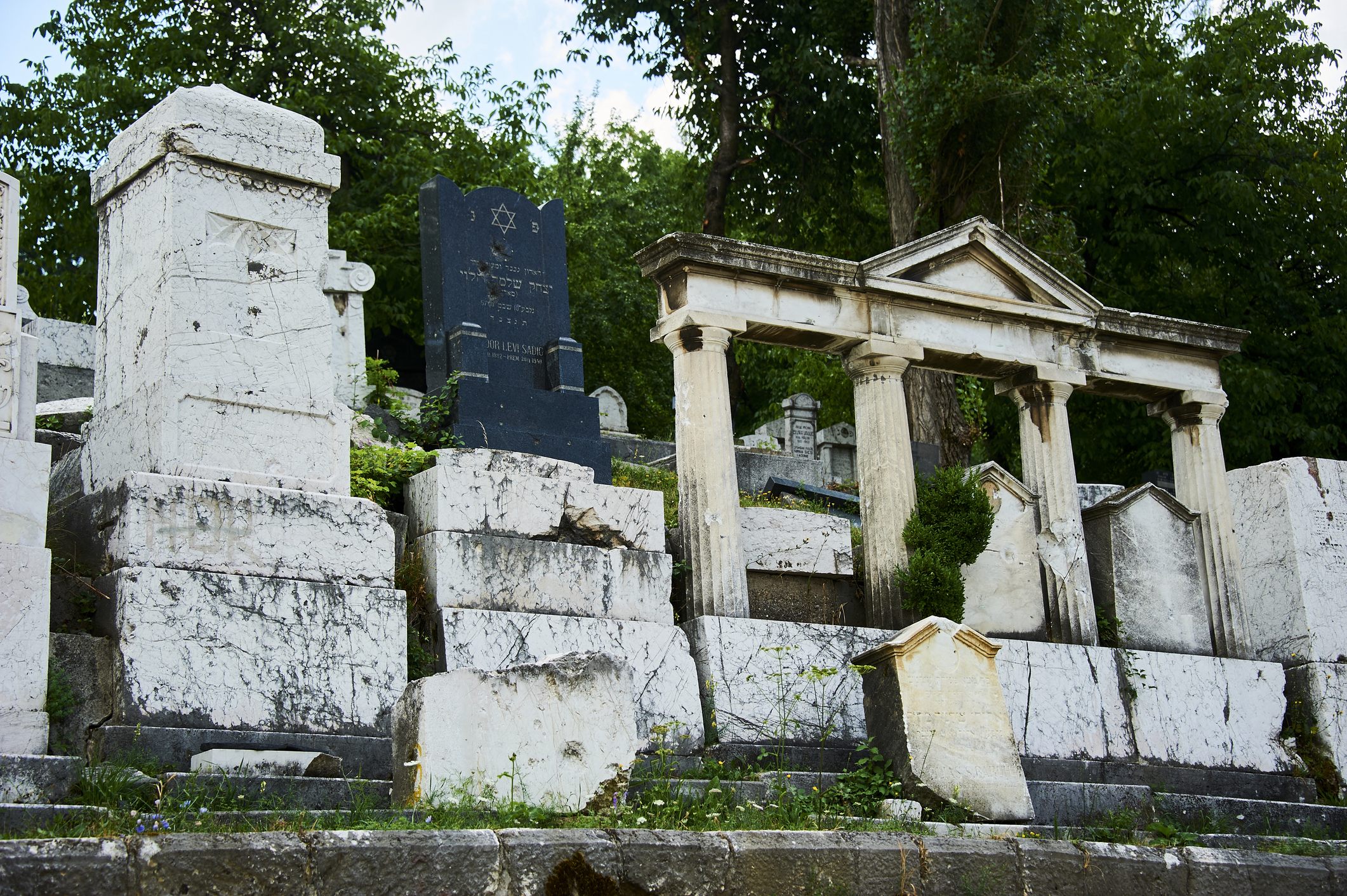
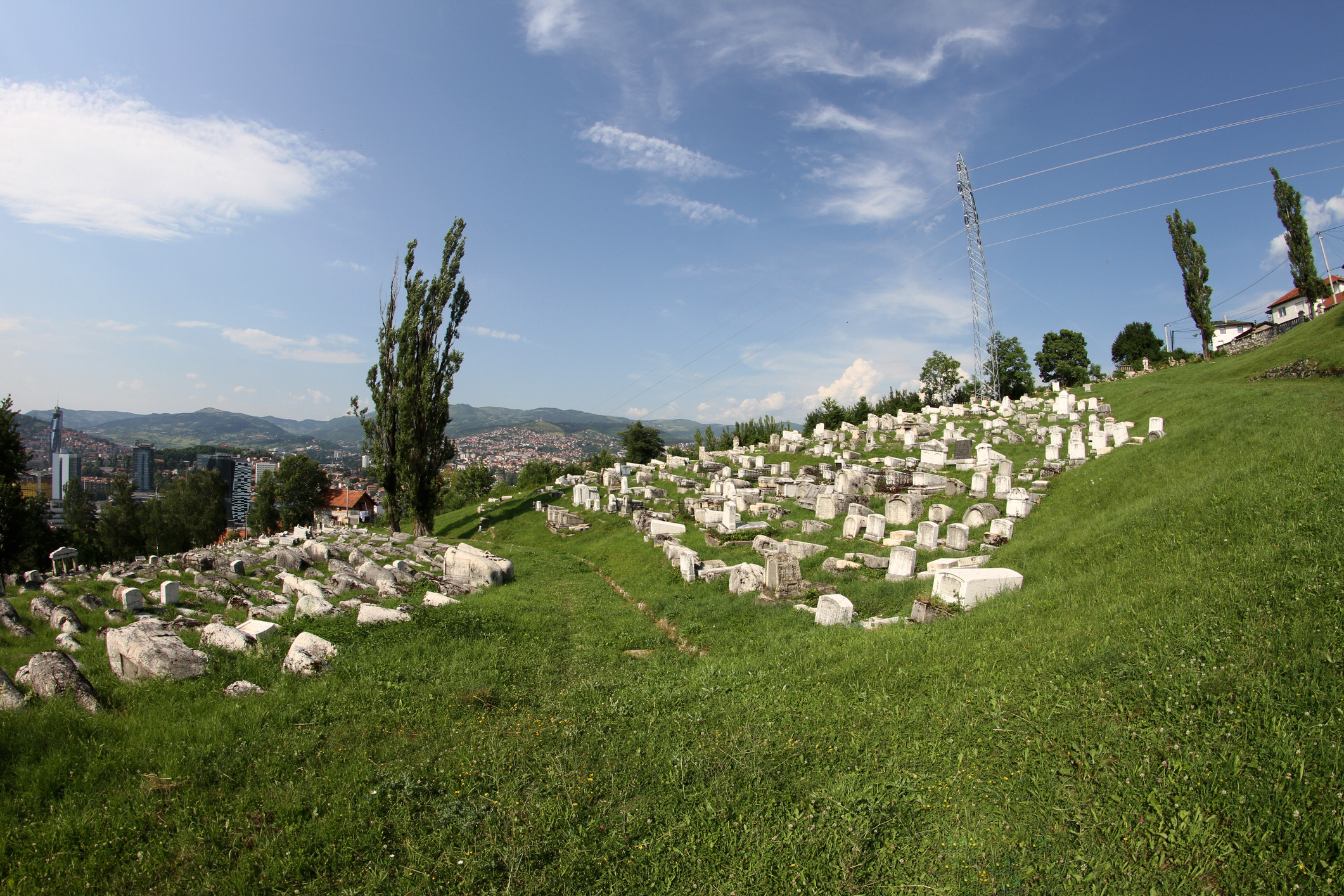
Sarajevo’s Jewish Cemetery is one of the largest in the region, a hillside field of limestone headstones and family plots that looks over the city from Trebević’s lower slope. The older Sephardi stones sit low with carved script and symbols; later Ashkenazi graves rise higher with upright markers. It is a quiet place of memory, and also a site that appears in the city’s twentieth-century stories. Paths are uneven, grass is long in places, and the air is still under pines above the rows.
Visit with time and care. Late afternoon puts soft tone on stone and gives a clear view across roofs and the river. Mornings are calm. Use factual language, keep voices low, and treat the site as a cemetery first. Step carefully between rows, avoid standing on stones or edging, and do not leave the paths for shortcuts. If you want context, most city history tours add a short stop here; a museum visit at Vijećnica or the Tunnel of Hope balances the day. A taxi down to Latin Bridge and a coffee in Baščaršija makes a simple return to the living city.
Crowd-avoidance tip
There are few crowds, but light tour windows appear mid-morning. If a group arrives, work a higher row first and return to the lower angle later.
Insider tip
For a clean city frame, stand two steps back from the edge path above the oldest section and use a headstone corner to anchor the foreground.
Now / next / nearby
Now: Lower rows for carved script and quiet reading Next: Vijećnica and Latin Bridge for a short city loop Nearby: Trebević cable car or the Olympic bobsleigh track for a ridge look
Is it worth it
Quiet, city-facing cemetery with distinctive Sephardi and Ashkenazi sections
Short, respectful visit that adds depth to a Sarajevo history day
Easy to pair with Vijećnica, Latin Bridge, or a Trebević loop
Typical on-site time Forty-five to seventy-five minutes
Plan
Jewish Cemetery: what to know before you go
This is an active cemetery and a place of memory. Dress modestly, keep voices low, and avoid sitting or placing bags on stones. Paths are uneven and grass can be long in season; wear shoes with grip. In wet weather, mud collects on the lower paths. If a caretaker is present, a small fee or donation may be requested at the gate. Photography is welcome for headstones and views; do not photograph people at burial or private moments.
Jewish Cemetery: where the best viewpoints are
For stone detail, start in the lower Sephardi rows where inscriptions and symbols read best in low light. For a city look, take the path above the oldest section and frame the roofs and river below. In the Ashkenazi area, step back a pace from upright markers to keep lines straight. Late afternoon gives warm edges on stone and even light across the valley.
A note on context and tone
Guides often place the cemetery within the wider story of the city. If you are visiting with children or teenagers, explain before you enter that this is a quiet stop. Use plain, factual language. End the visit with a forward-looking hour in the city to reset the day’s rhythm.
What to see
Sephardi rows
Low limestone stones with carved script and symbols. Readable best in early or late light; keep to paths and step carefully between rows.
Ashkenazi section
Later upright markers with varied forms. Stand back slightly for legible lines. Watch footing between plots.
Edge path and city view
From the higher path, look across roofs and river to the old town and Vijećnica. It is a quiet, wide moment before you drop back to the streets.
Stone detail
Carved hands, candles, and script appear on older stones. Light sliding along edges late in the day makes lines clear without harsh contrast.
Small things to notice
Pine shade and birds shape the sound above the city. On still days, you hear the river and trams below the slope.
Safety and access
Uneven paths and low steps; wear shoes with grip and move slowly
Do not sit, lean, or stand on stones; keep well clear of edges and drops
Dress modestly; keep voices low; avoid photographing people at private moments
Drones are not appropriate here; follow local rules in the city corridor
Wheelchair access is limited; the ground is uneven and sloped
Shade is good under pines; carry water in summer for the walk to and from the gate
Tours that include this stop
Sarajevo grand walking tour with cemetery stop
Bazaar lanes, Latin Bridge, Vijećnica façade, and a quiet cemetery angle; hotel pick up available
Modern-history Sarajevo focus
Tunnel of Hope, bobsleigh track viewpoints, and a respectful cemetery visit; hotel pick up available
City and ridge day
Baščaršija morning, Latin Bridge, and a Trebević cable car loop, with a cemetery angle on the slope; hotel pick up available
Gallery
Map
FAQs
Is there an entry fee?
A small fee or donation may be requested if a caretaker is present. Otherwise, access is typically open in daylight hours.
How long should I allow?
Forty-five to seventy-five minutes for a slow loop and a city view.
Can I take photos?
Yes for headstones and views. Do not photograph people at burial or private moments; keep tone respectful.
Is it suitable for children?
Yes, with calm behaviour. Explain etiquette before entering and keep to paths.
What pairs well with this visit?
Vijećnica and Latin Bridge for a short city loop, or the Trebević cable car for a ridge view.